 Afbeelding 1 van 3
 Afbeelding 2 van 3
 Afbeelding 3 van 3
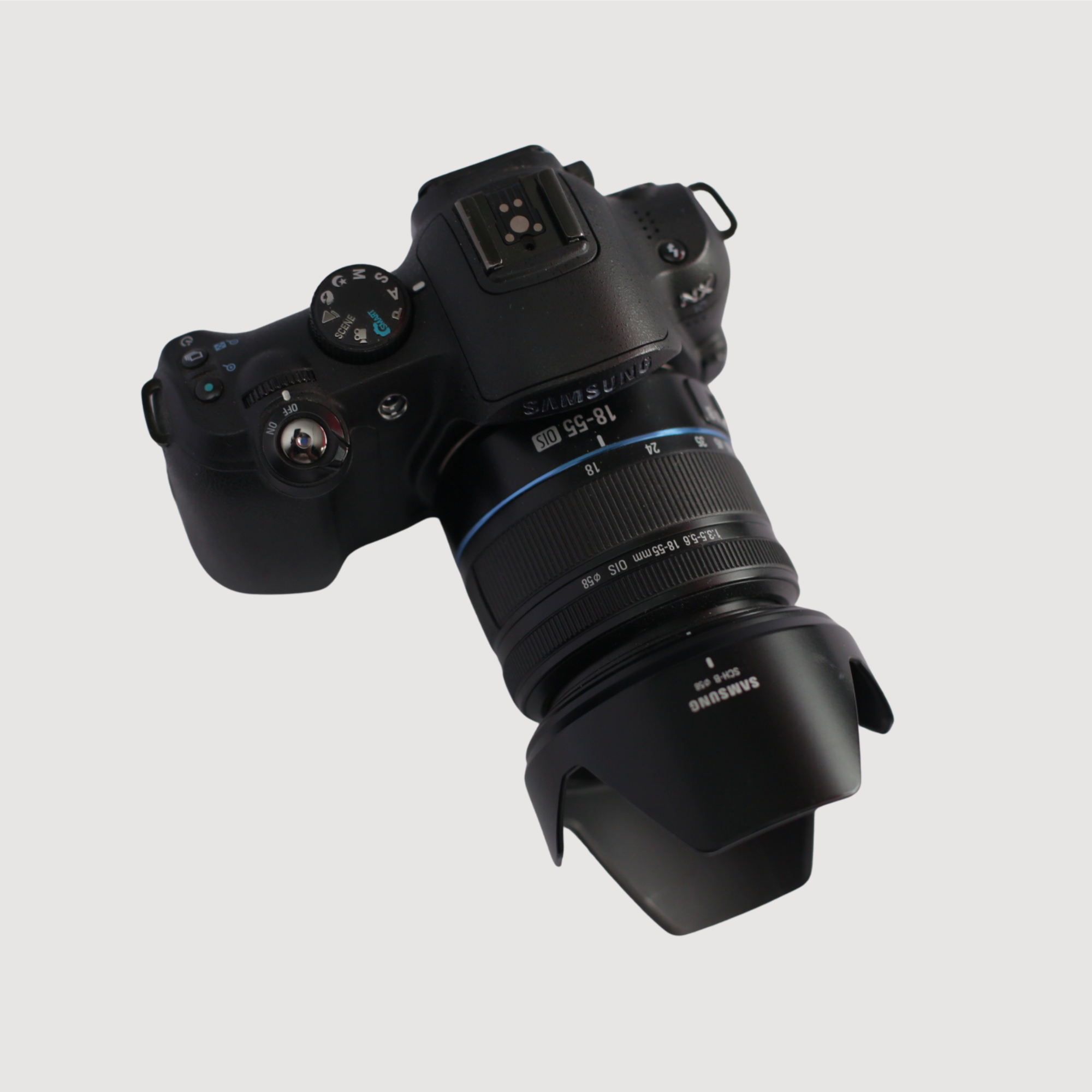
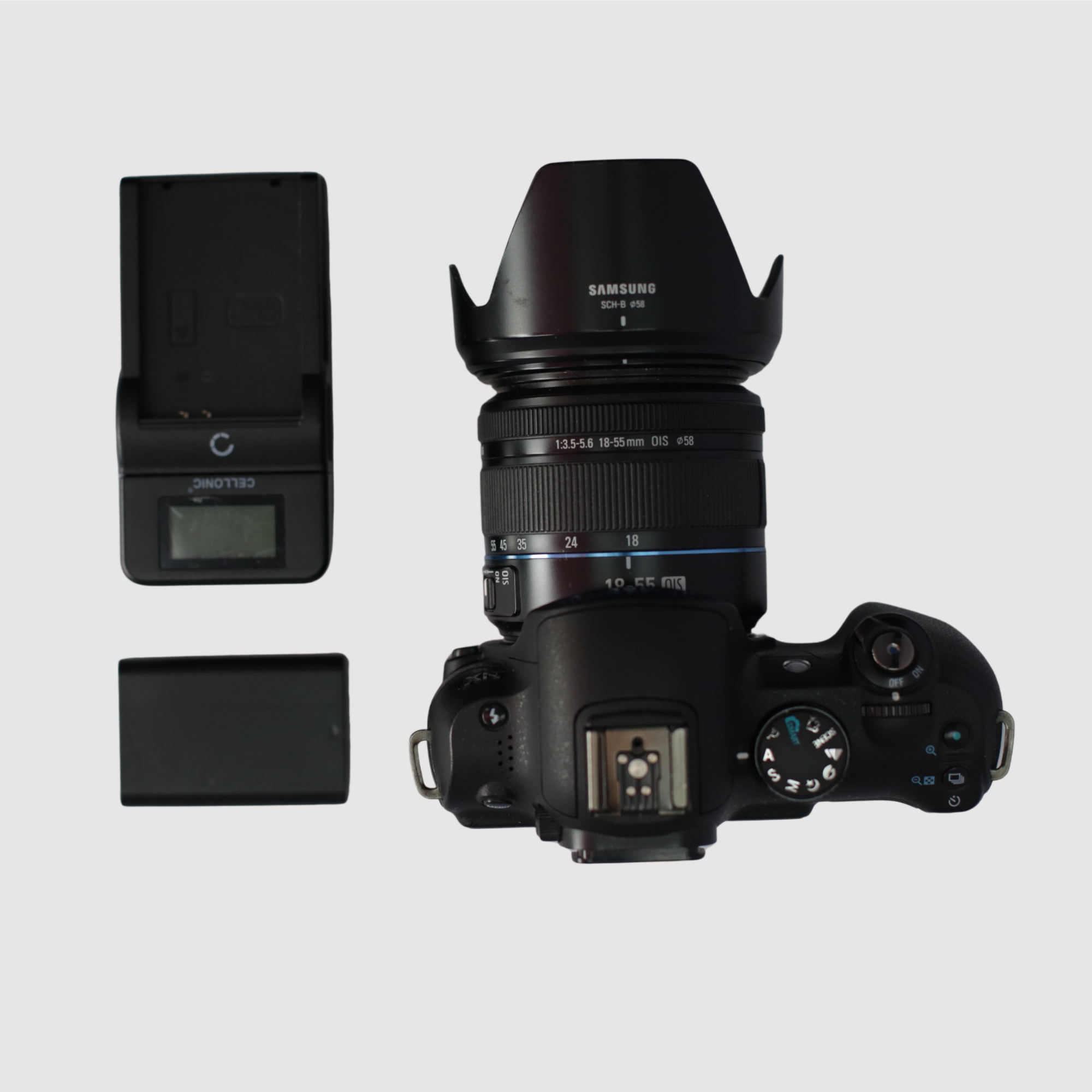
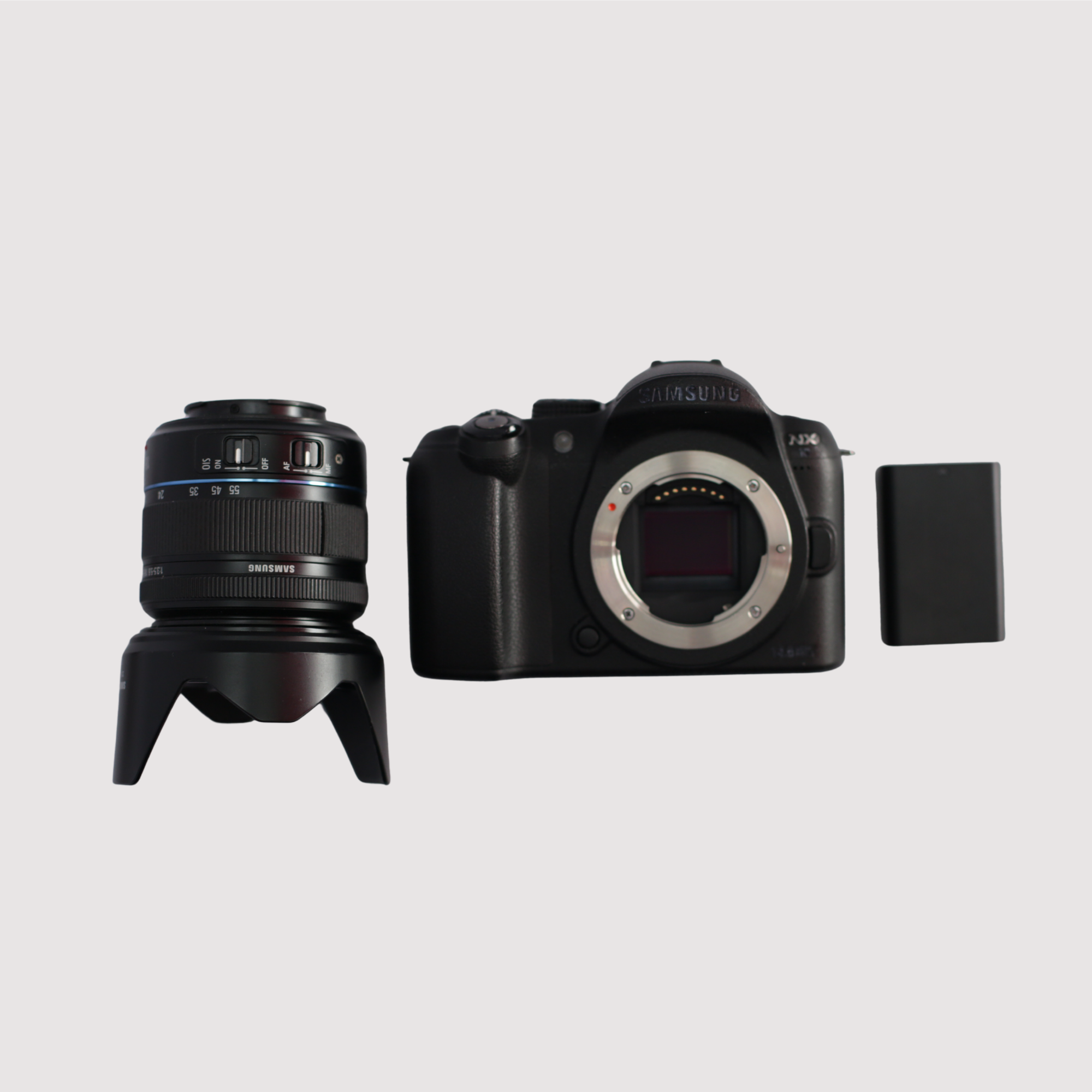
The Samsung NX10, launched in early 2010, was a pioneer in the mirrorless camera market. It was one of the first cameras to successfully pack a large, DSLR-sized APS-C sensor into a compact, lightweight body, effectively launching Samsung's ambitious but now-discontinued NX system. Key Features at a Glance DSLR Quality, Compact Build: By removing the mirror box and pentaprism, Samsung created a camera that delivered professional-level image quality (14.6 Megapixels) in a footprint much smaller and lighter than traditional DSLRs of that time. Vibrant AMOLED Display: It was ahead of its time with a 3.0-inch AMOLED screen. Compared to the standard LCDs of the era, it offered significantly higher contrast, faster response times, and better visibility in direct sunlight. Built-in Electronic Viewfinder (EVF): Unlike many early mirrorless competitors that required external add-ons, the NX10 featured a built-in 921k-dot EVF with an eye-sensor that automatically switched the display when you held the camera to your eye. Video Performance: It supported 720p HD video recording using the H.264 codec, which was a major selling point for casual videographers and travelers in 2010. Fast Autofocus: It utilized a fast contrast-detect AF system driven by the DRIMe II Pro engine, marketed as one of the speediest in its class upon release.
The Samsung NX10, launched in early 2010, was a pioneer in the mirrorless camera market. It was one of the first cameras to successfully pack a large, DSLR-sized APS-C sensor into a compact, lightweight body, effectively launching Samsung's ambitious but now-discontinued NX system. Key Features at a Glance DSLR Quality, Compact Build: By removing the mirror box and pentaprism, Samsung created a camera that delivered professional-level image quality (14.6 Megapixels) in a footprint much smaller and lighter than traditional DSLRs of that time. Vibrant AMOLED Display: It was ahead of its time with a 3.0-inch AMOLED screen. Compared to the standard LCDs of the era, it offered significantly higher contrast, faster response times, and better visibility in direct sunlight. Built-in Electronic Viewfinder (EVF): Unlike many early mirrorless competitors that required external add-ons, the NX10 featured a built-in 921k-dot EVF with an eye-sensor that automatically switched the display when you held the camera to your eye. Video Performance: It supported 720p HD video recording using the H.264 codec, which was a major selling point for casual videographers and travelers in 2010. Fast Autofocus: It utilized a fast contrast-detect AF system driven by the DRIMe II Pro engine, marketed as one of the speediest in its class upon release.